November 19, 2026
Protecting a home from fire involves more than keeping a fire extinguisher in the kitchen or checking the batteries in a smoke detector. Different types of fire protection equipment serve specific purposes, from identifying smoke and heat to alerting occupants when danger is present. Understanding the available fire systems can help homeowners make informed decisions about protecting their families, belongings, and properties. With the right equipment and regular maintenance, households can improve their preparedness and reduce potential fire-related risks.
Understanding the Importance of Residential Fire Protection
Residential fires can develop quickly, leaving occupants with limited time to respond. Cooking equipment, electrical problems, heating appliances, and candles are common sources of residential fires. Even a small fire can produce dangerous smoke and heat, making early detection an essential part of home safety.
According to EIN Presswire, approximately 40% to 50% of newly constructed single-family homes in the United States have fire sprinkler systems, while the percentage is even higher among newly constructed multifamily residential buildings. This demonstrates the growing role of built-in fire protection equipment in residential construction.
Different fire systems address different aspects of residential safety. Some detect potential hazards, while others alert occupants or help control flames. Understanding how these technologies work allows homeowners to evaluate their existing protection and identify areas that may need improvement.
Exploring Smoke Detection Systems
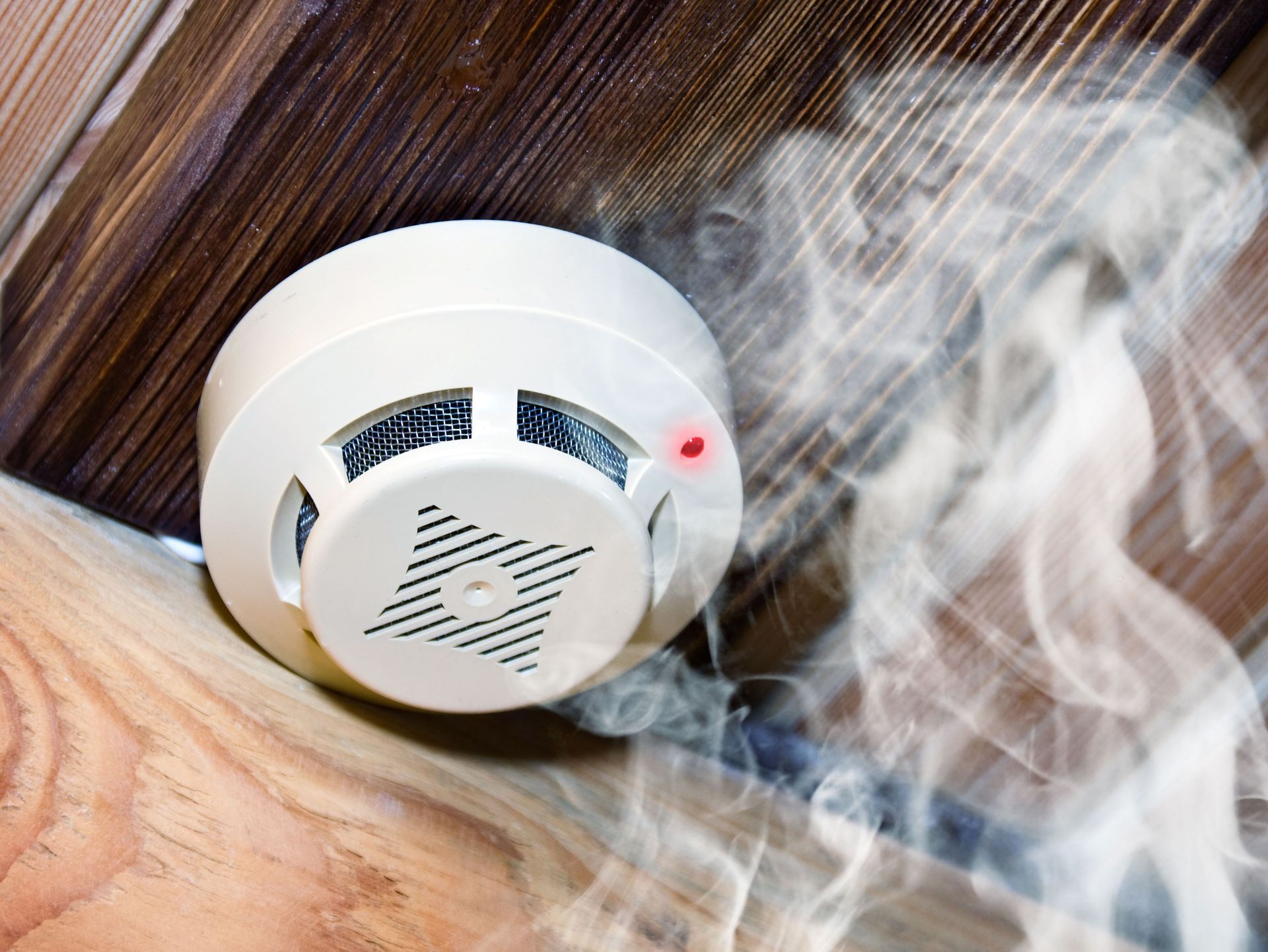
Smoke detectors are among the most important pieces of residential fire protection equipment. These devices identify smoke particles in the air and provide an audible warning when potential fire conditions are detected. Early alerts give occupants an opportunity to evacuate before smoke spreads throughout the property.
Homeowners can choose from several types of smoke detection technology:
- Ionization Smoke Detectors: These devices use a small amount of radioactive material to detect changes in an electrical current caused by smoke particles. They are generally more responsive to fast-flaming fires.
- Photoelectric Smoke Detectors: These detectors use a light source and sensor to identify smoke particles that scatter light inside the device. They are generally more responsive to slow, smoldering fires.
- Dual-Sensor Smoke Detectors: These devices combine ionization and photoelectric technologies to detect different types of fires.
Proper placement is just as important as choosing the right detector. Smoke alarms should generally be installed inside bedrooms, outside sleeping areas, and on every level of a home. Homeowners should also follow manufacturer recommendations for installation, testing, and replacement.
Evaluating Residential Fire Alarm Systems
Although smoke detectors identify potential fire conditions, fire alarm systems provide a broader approach to occupant notification. These systems use connected devices to broadcast warnings throughout a property when smoke, heat, or other fire indicators are detected.
A residential fire alarm system may include several components, depending on the home's layout and protection requirements.
- Control Panels: These serve as the central communication point for connected detection and notification devices.
- Audible Alarms: Sirens and horns produce loud sounds to alert occupants when a potential fire is detected.
- Visual Notification Devices: Flashing lights provide additional warnings, which can be especially helpful for individuals who may not hear traditional alarms.
- Detection Devices: Smoke and heat detectors identify conditions that could indicate a developing fire.
Some residential alarm systems also include professional monitoring. When an alarm activates, the monitoring service can receive the signal and follow established emergency notification procedures.
Examining Residential Fire Sprinkler Systems
Fire sprinkler systems provide an additional layer of protection by helping control flames when a fire develops. Unlike smoke detectors and alarms, which primarily identify danger and notify occupants, sprinklers release water to suppress or slow a fire.
Most residential sprinkler systems use heat-sensitive sprinkler heads. When temperatures reach a predetermined level, the affected sprinkler head activates and releases water directly onto the surrounding area. Contrary to a common misconception, most systems do not activate every sprinkler head simultaneously. Individual heads generally respond to the heat in their immediate surroundings.
Several sprinkler configurations are available for different building conditions:
- Wet-Pipe Systems: These systems keep water inside the pipes, allowing it to discharge quickly when a sprinkler head activates.
- Dry-Pipe Systems: These systems use pressurized air or nitrogen inside the piping, with water entering the pipes when a sprinkler head activates. They are useful in areas where freezing temperatures are a concern.
- Preaction Systems: These systems require an additional detection or activation step before water enters the sprinkler piping, providing another level of control.
Sprinkler installation requirements vary depending on building type, location, and applicable codes. Homeowners considering this technology should consult qualified fire protection professionals to determine whether it is appropriate for their property.
Considering Heat Detection Systems
Smoke detectors are not the only devices capable of identifying a potential fire. Heat detectors monitor temperature changes and activate when surrounding conditions reach a specific threshold or rise unusually quickly.
These devices can be especially useful in locations where smoke, dust, steam, or cooking particles could cause frequent false alarms. Garages, utility rooms, and certain kitchen environments may benefit from heat detection, depending on the property's layout and applicable installation requirements.
There are two common types of heat detection technology:
- Fixed-Temperature Detectors: These devices activate when the surrounding temperature reaches a predetermined level.
- Rate-of-Rise Detectors: These devices respond when temperatures increase rapidly within a specific period.
Heat detectors can complement other fire protection equipment, but they should not replace smoke alarms in areas where smoke detection is necessary. Combining appropriate detection technologies can help provide more complete coverage throughout a residence.
Maintaining and Testing Residential Fire Protection Equipment
Even well-designed fire systems require routine attention to remain dependable. Dust accumulation, aging components, electrical problems, and damaged connections can interfere with equipment performance. Regular inspections and testing help homeowners identify these concerns before an emergency occurs.
A practical maintenance routine should include several important steps:
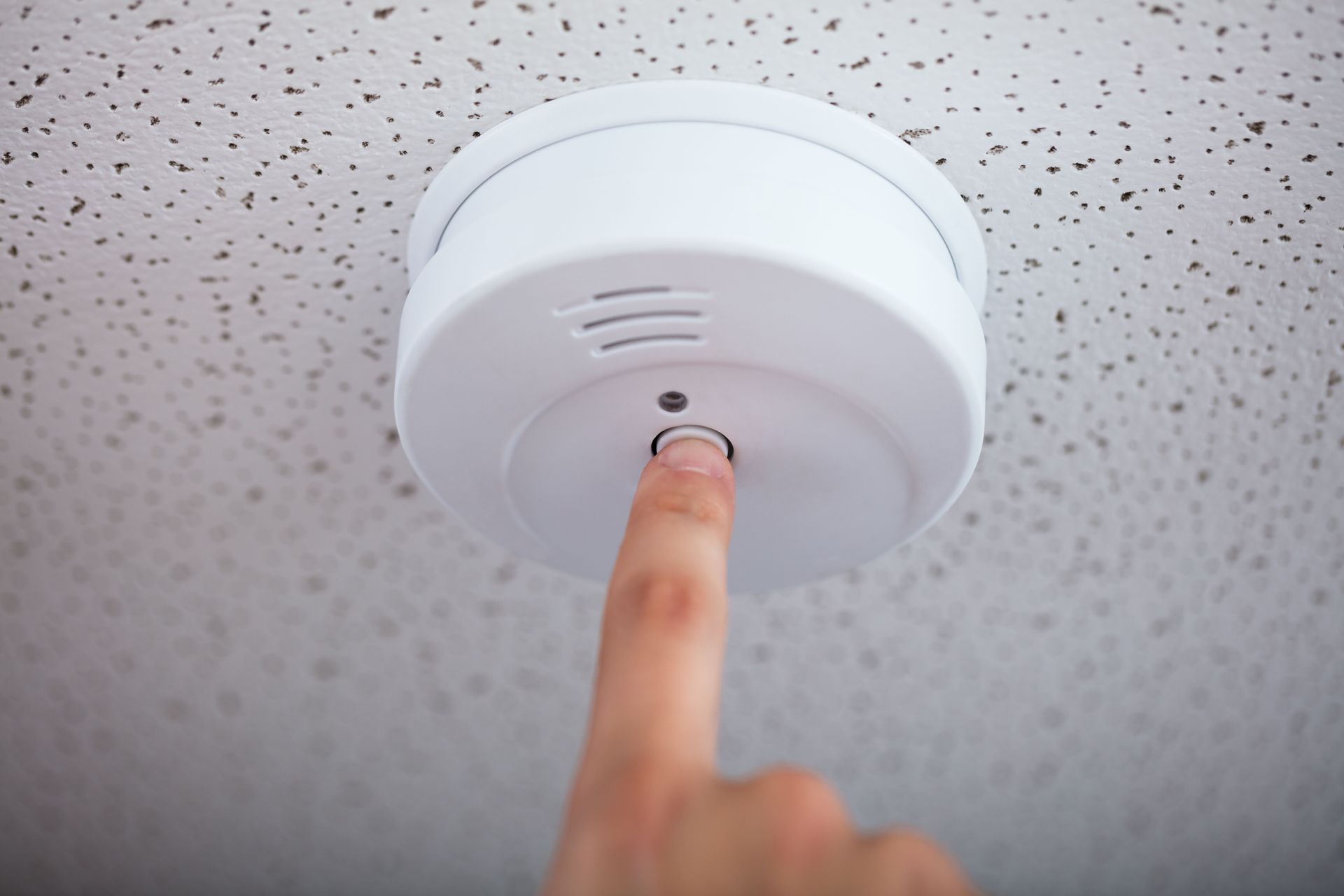
- Test Smoke Detectors: Follow manufacturer instructions to confirm that alarms respond properly and produce audible warnings.
- Replace Batteries: Replace replaceable batteries according to the manufacturer's recommendations and whenever low-battery warnings appear.
- Inspect Equipment: Look for visible damage, loose connections, blocked sensors, and other signs of deterioration.
- Review System Performance: Have qualified professionals evaluate alarm equipment, control panels, and connected components at recommended intervals.
- Address Equipment Problems: Arrange necessary repairs or upgrades when devices become unreliable or outdated.
Professional inspections are particularly important when a home has an interconnected alarm system. Testing individual components without evaluating their communication can leave problems undetected. A qualified technician can assess equipment performance, identify deficiencies, and recommend appropriate improvements.
Choosing the Right Protection for Your Home
Selecting the right equipment depends on several factors, including the property's size, layout, occupancy, and potential fire hazards. A smaller home may have different requirements than a multilevel residence with several bedrooms, attached garages, or specialized utility areas. Evaluating these factors helps homeowners determine which fire systems are best suited to their property's needs.
Homeowners should consider how different technologies can work together rather than relying on a single device for complete protection. Smoke detectors offer early warnings, heat detectors identify temperature-related hazards, alarm systems notify occupants, and sprinklers help control developing fires. Combining these fire systems can provide more complete coverage throughout a residence.
It is also important to consider the condition of existing equipment. Older properties may have outdated detectors, insufficient alarm coverage, or devices that no longer meet current safety recommendations. Renovations and additions can also create new areas that require detection and notification coverage.
Working with experienced professionals can help homeowners understand their options and determine which improvements are appropriate. Proper installation, routine testing, and timely maintenance all contribute to dependable residential fire protection.
Protect Your Home With Professional Fire Protection Services
A reliable home fire safety strategy combines appropriate equipment with consistent maintenance and testing. Understanding the differences between detection, notification, and suppression technologies helps homeowners recognize potential weaknesses and make better decisions about protecting their properties. Choosing the right fire systems can also help ensure that different aspects of residential fire safety work together effectively.
Smoke detectors and residential fire alarms are particularly important because they provide early warnings, giving families valuable time to respond. However, even the best equipment needs professional attention to remain dependable over time. Regular inspections help ensure that fire systems continue operating as intended.
For professional residential fire alarm installation, inspections, testing, maintenance, and upgrades, contact Flashpoint Fire Protection to discuss solutions that can help keep your home and family protected.