October 27, 2026
A comprehensive fire safety strategy forms the backbone of any secure building, defending lives, preserving property, and upholding vital safety protocols. While smoke detectors and thermal sensors warn occupants who are present within a structure, unmonitored alarms depend on individuals nearby to identify the hazard and contact emergency personnel. When fires break out inside vacant offices, industrial warehouses, or sleeping residences, delays in manual reporting allow flames and smoke to escalate before first responders learn of the emergency. Relying solely on local alarms leaves buildings vulnerable during unoccupied hours.
Implementing professional fire alarm monitoring bridges this protective gap by maintaining a constant communication link between your building and emergency responders. Rather than depending on panicked occupants or passing pedestrians to report a blaze, dedicated monitoring infrastructure ensures immediate signal reception and professional coordination. This protective oversight transforms standalone detection hardware into an active life-safety network. By expediting the dispatch of municipal fire crews, off-site monitoring minimizes structural damage and safeguards human lives across residential communities and commercial properties alike.
Identify Components and Functions
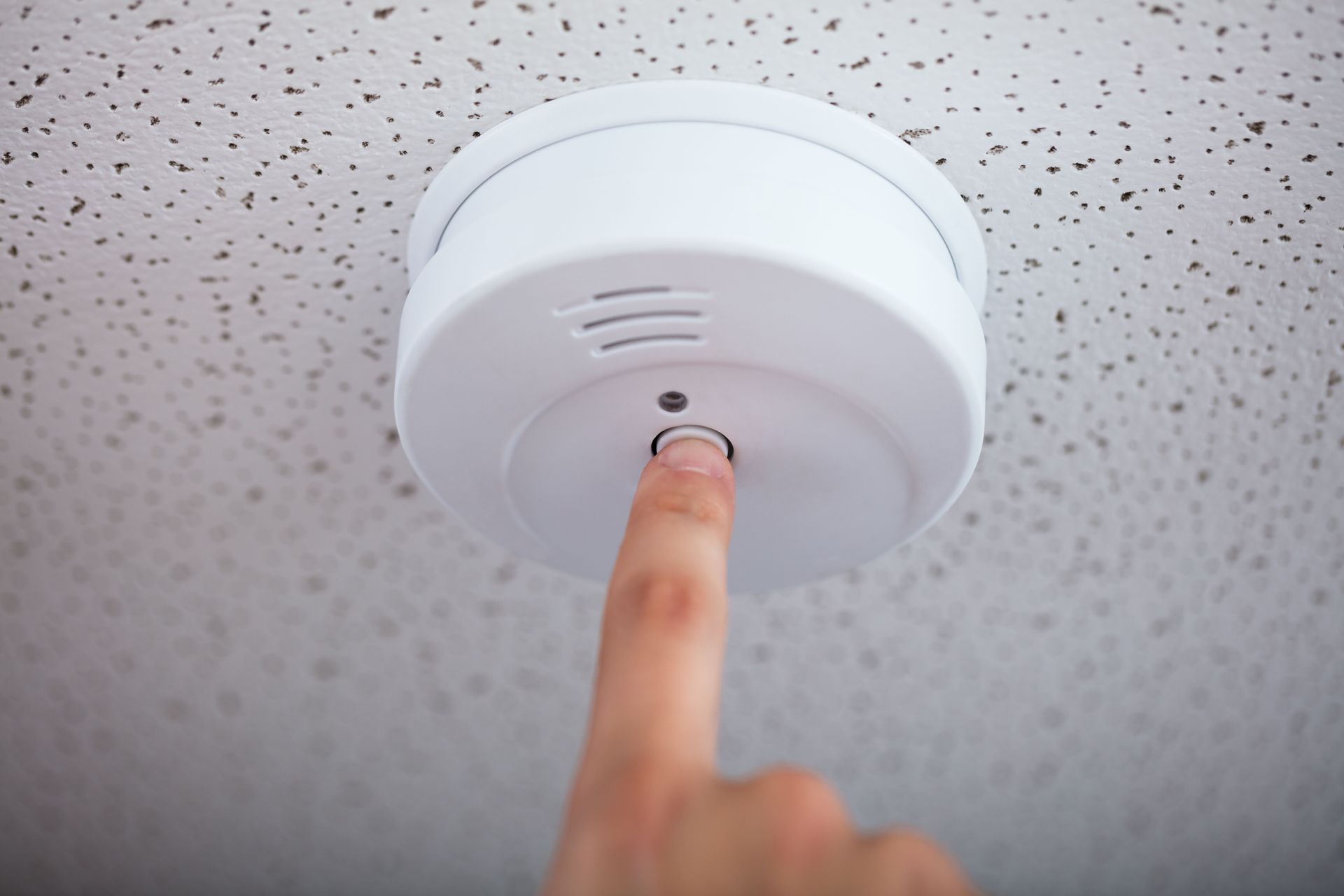
A dependable fire protection system relies on specialized hardware engineered to detect distinct physical indicators of combustion. Smoke detectors, which utilize ionization or photoelectric chambers, identify airborne particles during early smoldering stages. Thermal sensors monitor ambient temperature spikes, activating once heat levels exceed safe parameters. In commercial and industrial facilities, manual pull stations empower occupants to trigger building alarms immediately upon spotting fire hazards. When activated, notification appliances such as horns, speakers, and strobe lights produce clear audiovisual warnings, instructing occupants to evacuate without delay.
The fire alarm control panel acts as the command center for the entire network, receiving signals from initiation devices and orchestrating system responses. Addressable control panels identify the exact location of activated sensors, allowing emergency responders to navigate directly to the fire origin. Ancillary equipment, including emergency lights, illuminates exit pathways and stairwells to prevent disorientation during power failures. Routine fire system testing and professional fire inspection services ensure that each component functions according to strict design criteria, confirming that field devices remain operational and prepared for sudden emergencies.
Examine Operations and Oversight
The core benefit of professional fire alarm monitoring centers on constant oversight managed by communication specialists. When an initiation device detects a hazard, the control panel transmits an encoded alert signal to a central monitoring facility. Station personnel immediately receive the transmission, evaluate the incoming event code, and verify whether the alert indicates an actual emergency, a supervisory condition, or a mechanical trouble signal. This systematic verification ensures that critical incidents receive priority attention, allowing operators to initiate emergency dispatch protocols without confusion or delay.
Expedited dispatch procedures represent a decisive factor in fire containment, establishing direct contact with municipal fire dispatchers. Every second saved during early fire development helps prevent flashover and protects building escape routes. According to SafeHome.org, emergency fire crews across the United States are dispatched to incidents approximately every 24 seconds, highlighting the immense frequency of fire emergencies nationwide. Professional operators relay critical building specifications and detector coordinates to approaching crews, allowing firefighters to arrive prepared for the layout and contain blazes before flames compromise primary structural framing.
Maximize Safety and Protection
A primary benefit of fire alarm monitoring is unbroken protection during hours when commercial or residential buildings sit empty. Fires often ignite outside normal operating schedules due to overloaded electrical circuits, heating unit malfunctions, or mechanical friction. Without off-site monitoring services, these blazes burn unchecked until flames break through windows or smoke triggers outdoor attention. Monitored systems ensure that emergency responders receive notification immediately, preventing localized combustion from destroying entire buildings or spreading to adjacent structures in dense commercial centers.
Beyond accelerating response speeds, fire alarm monitoring drastically curtails the problems associated with false alarms through rapid signal verification. Unverified alarms disrupt business operations, foster occupant complacency, and divert municipal emergency services away from genuine crises. Professional monitoring personnel quickly evaluate trouble signals caused by dust intrusion, electrical spikes, or maintenance activities before dispatching municipal responders. When verified fire emergencies occur, immediate notification ensures that firefighters arrive equipped to protect escape corridors, preserve property, and facilitate safe evacuation for all occupants.
Address Malfunctions and Maintenance
Fire alarm systems operate under continuous environmental stress from airborne contaminants, ambient temperature changes, and electrical fluctuations. Over extended periods, particulate accumulation can blind optical smoke sensors or trigger false activations, while backup batteries lose charge capacity. Communication pathways between local control panels and central monitoring receivers may experience circuit faults, radio interference, or physical wire degradation. Neglecting these mechanical vulnerabilities creates dangerous gaps in life-safety coverage, leaving facilities unprotected if combustion occurs within unoccupied mechanical rooms, storage areas, or electrical closets.
Engaging comprehensive fire protection system maintenance services resolves these physical vulnerabilities before operational failures occur. Licensed technicians clean sensitive detection chambers, test voltage levels on standby power supplies, calibrate thermal sensors, and resolve control panel supervisory codes. Regular servicing guarantees that fire alarm monitoring maintains an uninterrupted connection with emergency monitoring centers during critical emergencies. Combining regular inspections with round-the-clock emergency services provides building managers with dependable protection, ensuring that critical life-safety hardware responds instantly when exposed to smoke or fire.
Maintain Standards and Compliance
Fire safety protocols require adherence to rigorous local, state, and national fire codes designed to protect human life and structural assets. The National Fire Protection Association establishes comprehensive standards governing system design, device spacing, sound levels, and signal transmission parameters for commercial facilities and multi-family residential communities. Municipal fire marshals regularly inspect properties to verify compliance with these life-safety codes. Non-compliance can trigger severe regulatory fines, mandatory occupancy restrictions, or building closure orders, making complete compliance documentation indispensable for property owners and facility supervisors.
Partnering with qualified fire safety contractors for fire alarm monitoring ensures that facilities satisfy annual inspection mandates and code compliance criteria. Professional technicians conduct thorough operational testing, inspect emergency lighting units, verify transmission integrity, and provide comprehensive reports required by municipal authorities. These structured evaluations confirm that fire detection infrastructure operates within mandatory safety tolerances. Maintaining documented proof of compliance protects facility managers from legal liabilities while establishing a safe environment where building occupants, employees, and residents remain fully protected against potential fire disasters.
Enhance Protocols and Procedures
Continual technical improvements in fire alarm monitoring have advanced signal processing speeds and physical hardware reliability across diverse property types. Modern multi-criteria smoke detectors utilize dual-spectrum light analysis to distinguish between actual combustion smoke and harmless steam or dust, preventing unwanted alarm triggers. Addressable control panels supply comprehensive diagnostic data, pinpointing minor hardware issues before they escalate into complete system outages. Redundant cellular communication channels guarantee reliable signal delivery, ensuring that fire alarm transmissions reach monitoring centers even if physical telephone lines suffer storm damage or vandalism.
Connecting alarm systems with internal building safety controls creates a coordinated defensive response when combustion occurs. Fire alarm control panels can automatically close motorized dampers to prevent toxic smoke from circulating through heating and ventilation systems. Panels can also release magnetic door holders to compartmentalize fire zones, unlock emergency egress doors, and activate emergency stairwell pressurization systems. Coordinated with clear voice evacuation instructions and bright visual strobes, these automated mechanical actions guide occupants safely out of the building while isolating flames, preserving property integrity and assisting arriving fire crews.
Investing in professional fire alarm monitoring transforms standard fire detection hardware into a complete, proactive life-safety defense. The pairing of early combustion detection, continuous human oversight, and rapid emergency dispatch ensures that fire incidents are addressed before flames spread beyond initial ignition points. Unmonitored alarms leave residential and commercial properties exposed to catastrophic structural devastation, particularly during unoccupied night hours and holiday weekends. Professional monitoring closes this vulnerability, providing dependable supervision, maintaining strict code compliance, and ensuring that emergency responders receive notification the instant hazardous conditions appear.
Safeguarding building occupants, structural integrity, and day-to-day operations demands reliable fire protection infrastructure supported by skilled industry specialists. True peace of mind stems from knowing that smoke detectors, control panels, and notification appliances remain under continuous observation by dedicated emergency personnel. From regular fire inspections and system testing to routine maintenance and emergency services, our experienced team stands ready to secure your facility. Contact us at Flashpoint Fire Protection today to schedule your fire safety consultation and let us deliver the dependable protection your building requires.